Key takeaways
Coursera is a global learning platform for teachers and creators to publish their lessons for students.
The best Coursera alternatives are EzyCourse, Udemy, EdX, Great Learning, Alison, DataCamp, and Khan Academy.
Coursera pricing starts at $20/mo for an individual plan.
Around 79% users are looking for an alternative to Coursera due to pricing.
Do you have educational resources and a passion for teaching? Looking for the most suitable platform to start teaching online?
Key Online learning makes education accessible to everyone. That is why it is the fastest-growing market in the industry, with an expectation of 57 million users by 2026.
Whether you're looking to explore new career paths or trying to start your online education business, platforms like Coursera can make your journey easier and smoother.
Depending on your goals, budget, and preferences, you can choose another platform that suits you better.
If you’ve been wondering about the best Coursera alternatives, you’re in the right place. In this guide, we’ll explore top alternatives to Coursera for online course creators.
Let’s dive in.
What is Coursera?
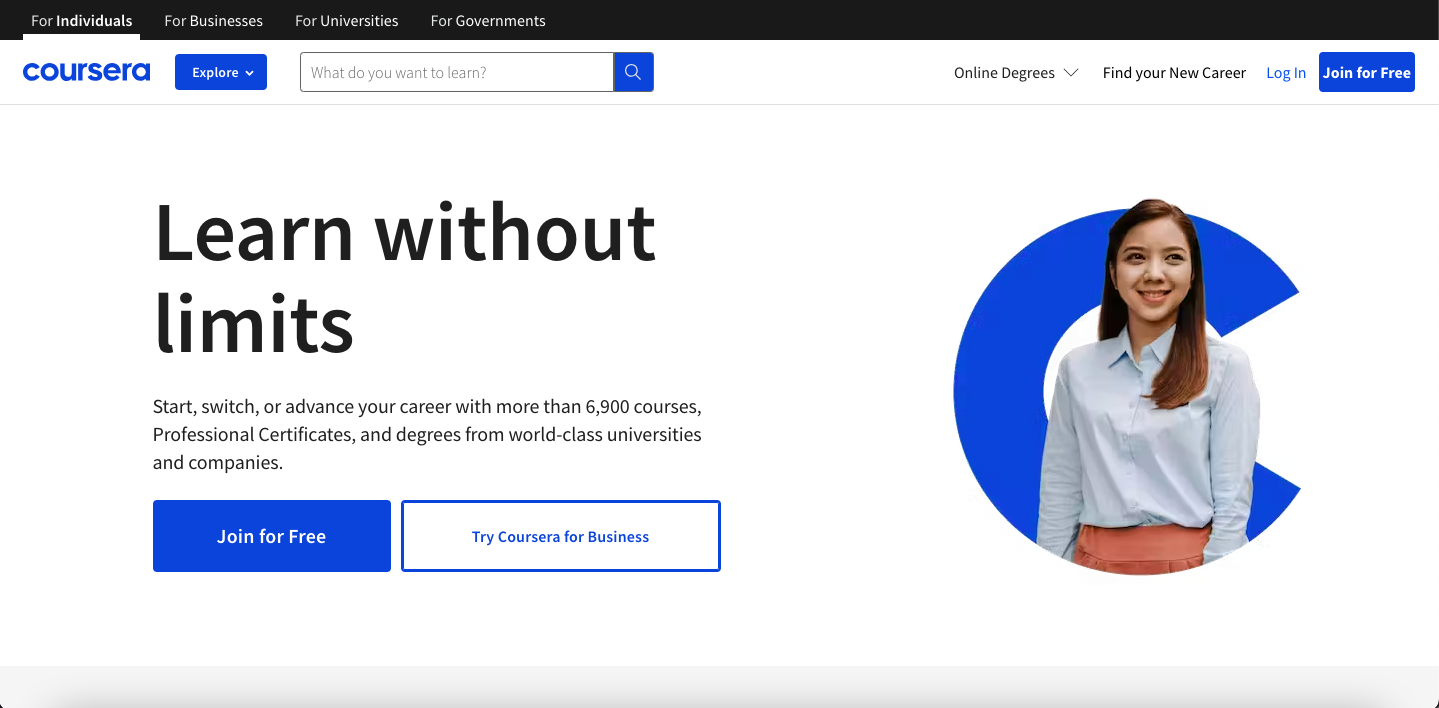
Back in 2012, this platform was launched by two Professors from Stanford University. Coursera is now one of the world’s largest online learning platforms with 92 million registered learners in 190 countries.
Coursera is one of the most well-known online learning platforms. It offers 1000+ courses, professional certificates, and full degree programs to learners.
It also collaborates with top-class universities like Stanford, Yale, MIT, and Princeton, bringing academic-quality education to a global audience.
Additionally, Coursera partners with industry giants such as Google, IBM, and Meta to provide career-focused training programs that help learners gain job-ready skills.
Coursera also offers a subscription plan called Coursera Plus to those who need a bunch of courses and are committed to their learning.
It instantly gets you access to 10,000+ courses, guided projects, specializations, and professional certificates for a limited time.
And on top of all that, Coursera also offers professional degrees like Bachelor’s, Master’s, and Post Graduate Diplomas from reputed universities such as Imperial College London, etc.
Coursera for Course Creators
While its credibility and course quality make it a strong choice, it’s not always the best fit for everyone.
Some users may find Coursera’s pricing high, its structure too overwhelming, or its courses too theoretical.
That’s why many people explore alternative platforms that better suit their learning preferences, budgets, and career goals.
As a course creator, you can use platforms like Coursera to monetize your courses.
However, if you are not feeling like going ahead with Coursera for course creation, there are a few handy alternatives available out there.
Pricing plans
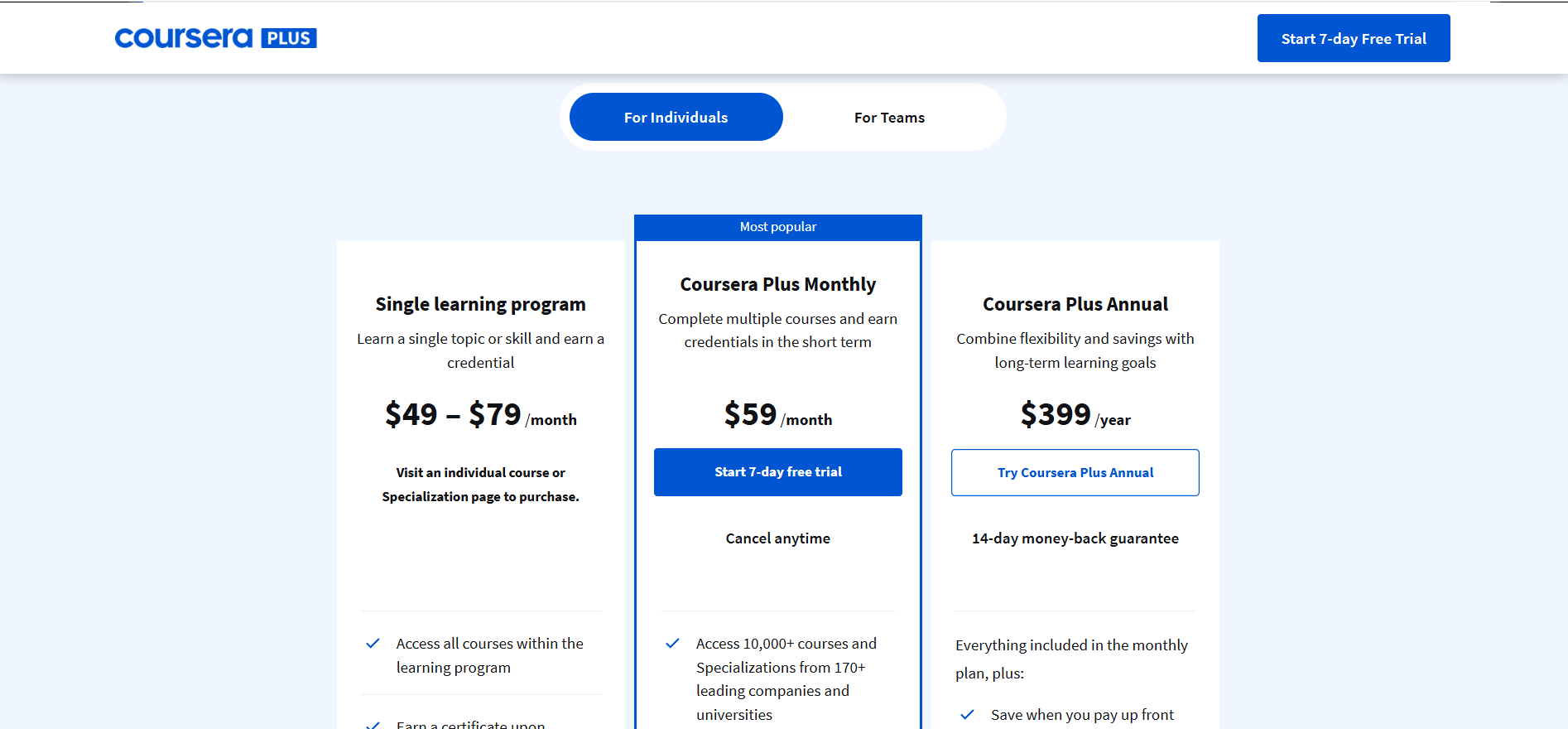
1. Single Learning Program: $20/month.
2. Coursera Plus Monthly: $24/month.
3. Coursera Plus Annual: $96/month.
4. Coursera for Teams: $319/month.
Why Would You Need a Coursera Alternative?
While Coursera is a fantastic platform for learning, it is obviously not suitable for everyone.
Learners might look for alternatives to Coursera for budget, lack of hands-on learning, absence of white-label options, and better niche options.
Let's look at some of the reasons why people look for Coursera alternatives.
Cost: While some courses are free to audit, certificates and degrees can be expensive. The subscription plan is also expensive for some people.
Limited hands-on learning: While Coursera has a guided project category, some learners might prefer more interactive, project-based learning experiences.
No white label option: Coursera does not offer any white label option for course creators. You won't have the option to build your own brand, but you can host your courses on the Coursera website for a revenue percentage.
Better niche offerings: Some platforms specialize in specific fields like coding, web development, data science, business, or creative arts.
Ease of use: Although most learners feel comfortable with Coursera’s user interface, some might feel it is a bit restrictive or complex.
If any of these reasons resonate with you, you might be wondering what other options are out there.
To help you decide, let's take a quick look at a summary of the best Coursera alternatives for those who are in a hurry before diving into the details!
Quick Summary on Coursera Alternatives
Short on time? Here’s a quick breakdown of the best Coursera alternatives.
EzyCourse – Best for course creators and coaches seeking an all-in-one solution.
Udemy – Best for creators seeking a large built-in audience
edX – Best for educators with academic or institutional backgrounds
Great Learning – Best for professional course creators in tech and business
Alison – Best for reaching learners at scale with free courses
DataCamp – Best for data and coding educators
Khan Academy – Best for nonprofit educators focused on free, global impact
Now, let’s explore each platform in detail.
7 Top Coursera Alternatives in 2026
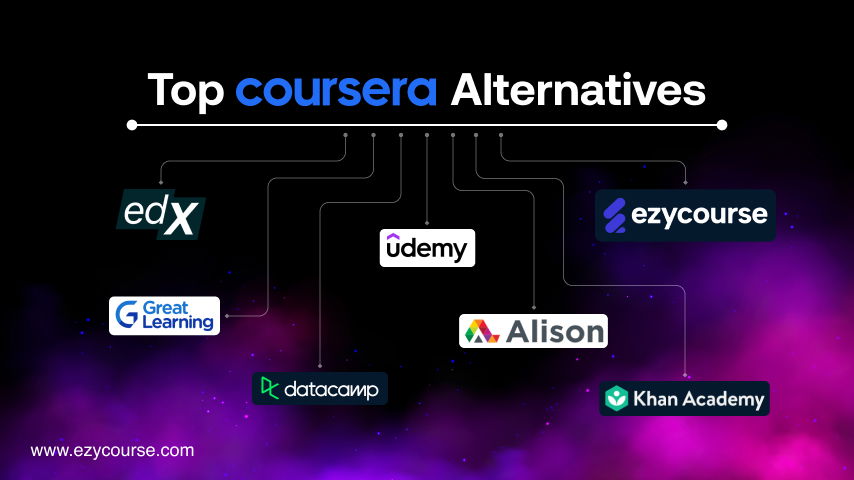
We have handpicked the top 7 alternative platforms of Coursera for you. In this section, you will get a brief overview of the platforms that will help you to select which platform will be the best fit for your needs.
1. EzyCourse

EzyCourse is an all-in-one LMS platform that lets you create and sell online courses like Coursera. It is a great option for teachers who want to get a white-label website with easy customization.
This is a cool platform for educators looking for full control over their online courses, memberships, and communities.
This online teaching platform is stacked with amazing features. You will most likely find any feature that you need, no matter if you are a course creator, coach, or membership business owner.
Being a comparatively newer platform, EzyCourse has already earned a very solid and positive reputation in the market.
EzyCourse has a solid 5.00 rating on G2, 4.8 on Capterra, and 4.7 on Trustpilot as of this day. Interestingly, EzyCourse offers a free white-label mobile app included with specific plans.
Pricing plans

Essential Plan: $59/month.
Pro Plan: $139/month.
Unlimited Plan: $199/month.
Elite Plan: $299/month.
Note: Prices are subject to change anytime.

Pros
Multiple monetization options like courses, memberships, digital downloads, and coaching sessions.
Built-in community tools.
Advanced analytics to track student progress.
Built-in email marketing, payment gateways, and automation tools.
SCORM compliant.
Free white-label mobile app with in-app purchase.
Native Zoom integration.
Marketplace for course creators.
Flexible pricing options that allow geo pricing.
Cons
The platform might seem overwhelming initially with excessive features.
Best for: Course creators, coaches, and membership business owners who want a white-label platform of their own.
2. Udemy
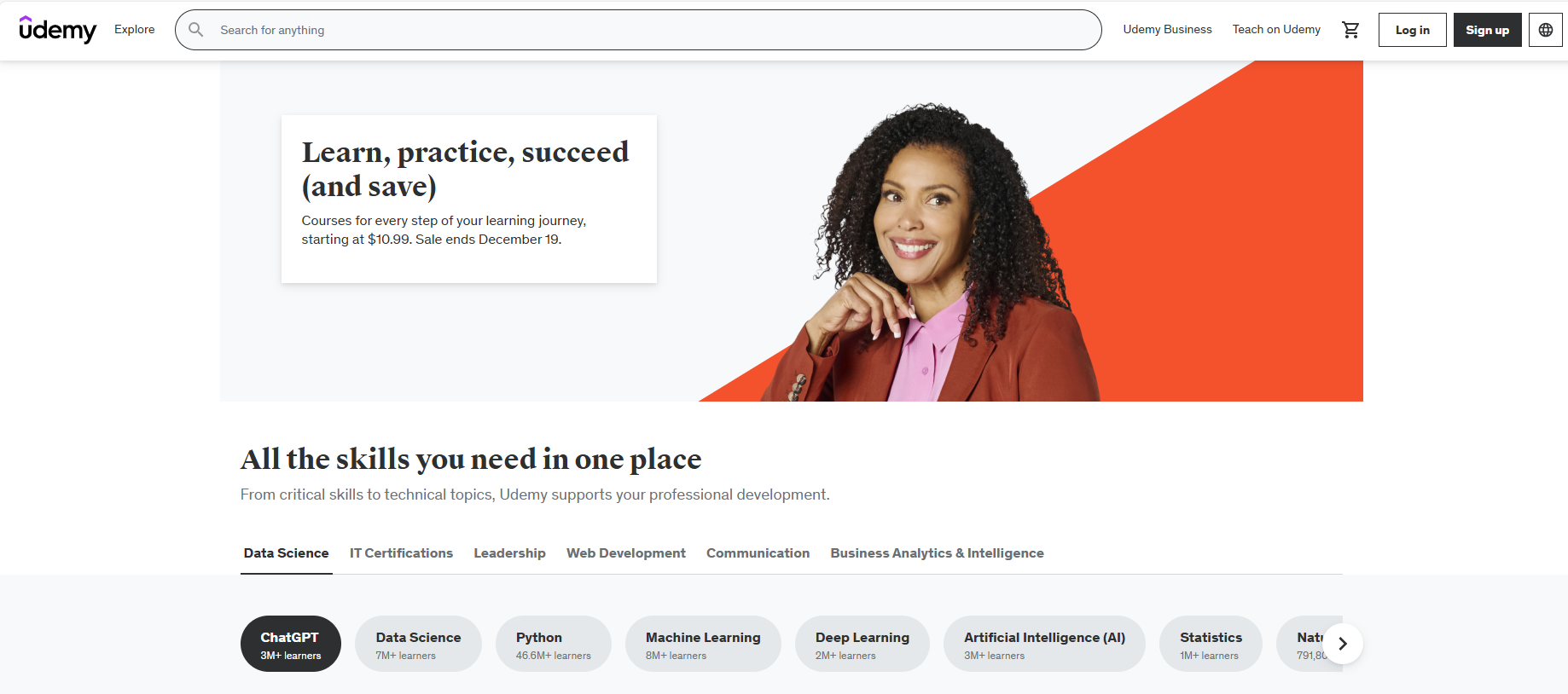
Udemy is one of the most well-known e-Learning platforms where anyone can create and sell anything.
If you are targeting a large audience, then Udemy comes in handy, but you have to sacrifice some flexibility with price control and branding.
Offering over 200K courses across various categories, Udemy creates a great opportunity for a diverse range of people looking to develop their skills in various career paths.
Unlike Coursera, which follows an academic approach, Udemy is more flexible and hosts courses from individual course creators as well. Udemy allows learners to purchase courses individually and learn at their own pace.
As a teacher, you can host your courses in Udemy using two revenue models. If you sell courses through your own promotional link, you will get 97 percent of the total revenue of your sales.
But if the course is bought from Udemy campaigns or the marketplace directly, you will get about a 37 percent total revenue of your sales.
Pricing plans
Udemy is free to create and host courses. But, it has its revenue share by taking a percentage of your earnings. Like:
Instructor Promotion: Earn 97% of revenue when students purchase via your referral link.
Organic Sales: Earn 37% of revenue from sales without your promotion.
Business/Personal Plan: Earn 15% of revenue over time.
Pros
Massive built-in audience.
No upfront cost to start publishing courses.
Easy-to-use interface for course creation.
Mobile-friendly app.
Regular promotional campaigns increase exposure.
Cons
High commission cuts up to 3% to 85%.
Limited control over pricing.
You don't own your audience or receive student email data.
Best for: Creators seeking a large built-in audience.
Also Read It: Is Udemy worth it?
3. edX
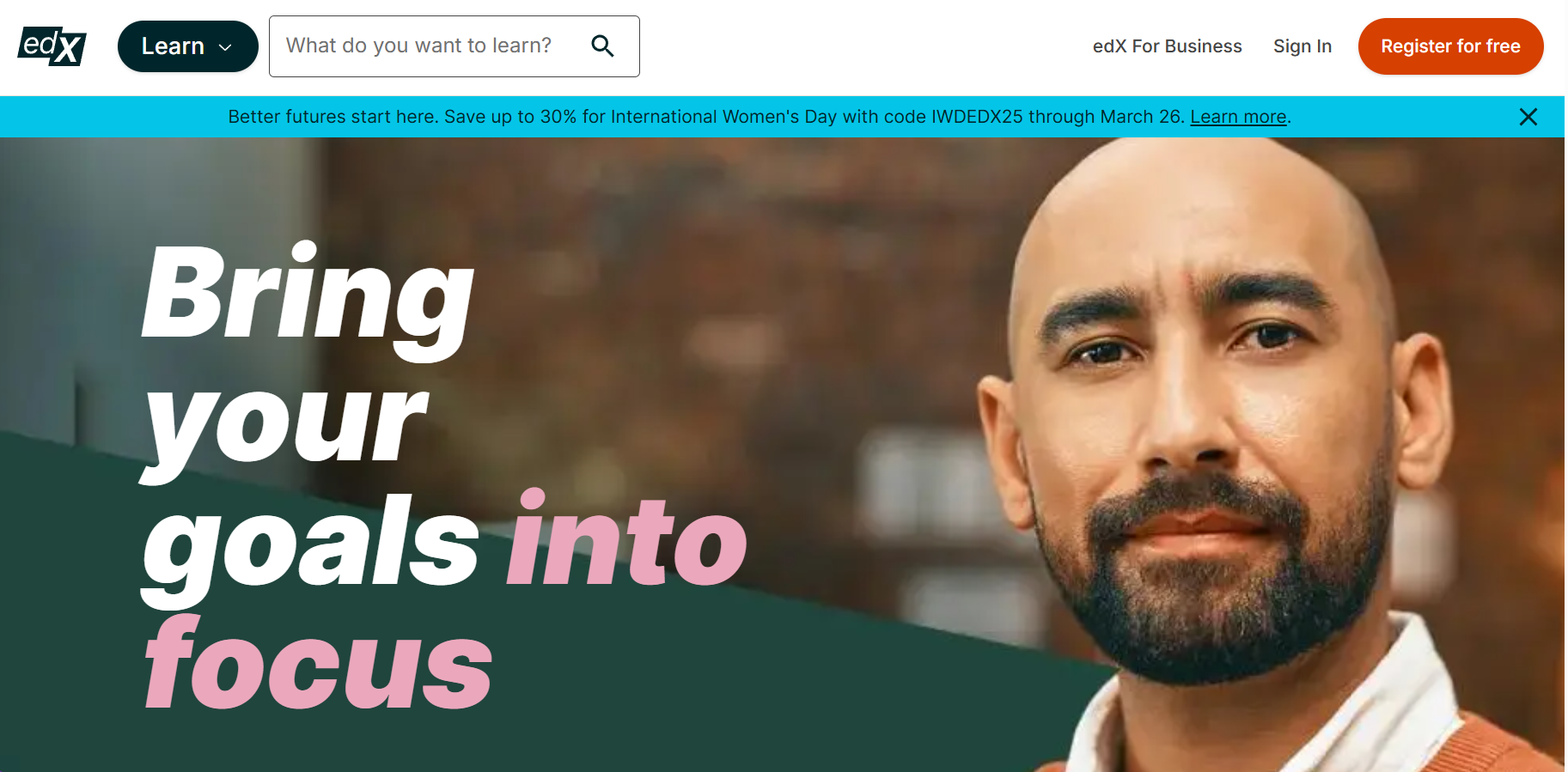
Founded by professors from Harvard and MIT, edX offers university-backed courses similar to Coursera.
Many courses are free to audit, with an option to purchase a certificate. edX resonates very well with Coursera, with a focus on academic-like education from different universities.
One of the most popular courses from edX is CS50 by David Malan from Harvard University.
Similar to Coursera, edX offers a mobile app that helps you reach more mobile users. The two platforms focus on the same platform, but some categories differ between them.
Pricing plans

Essentials: $12.50/month per user.
Teams: $33/month per user.
Enterprise: Personalized pricing plan.
Pros
Recognized for academic quality and institutional partnerships.
Access to a global learner base seeking certification and degrees.
Courses associated with prestigious universities.
High credibility for instructors and contributors.
Strong support for professional and continuing education.
Cons
Not open to individual creators without an institutional partnership.
Revenue share terms are not publicly transparent.
Long and selective approval process for course publishing.
Best for: Educators with academic or institutional backgrounds.
4. Great Learning

Great Learning can be a good alternative to Coursera for instructors looking to sell their courses in fields like business, data science, and IT.
This platform offers certificate and degree programs in partnership with top universities.
Pricing plans
Typically collaborates with industry experts and institutions, and specific details are not publicly available.
Pros
Strong focus on professional development courses.
Collaboration opportunities for industry experts.
Structured programs in partnership with top companies and universities.
Access to job-aligned learners in tech and business sectors.
Brand recognition in South Asia and expanding markets.
Cons
Not accessible to independent creators without a partnership.
No self-service tools for uploading or managing courses.
Minimal content ownership.
Best for: Professional course creators in tech and business.
5. Alison
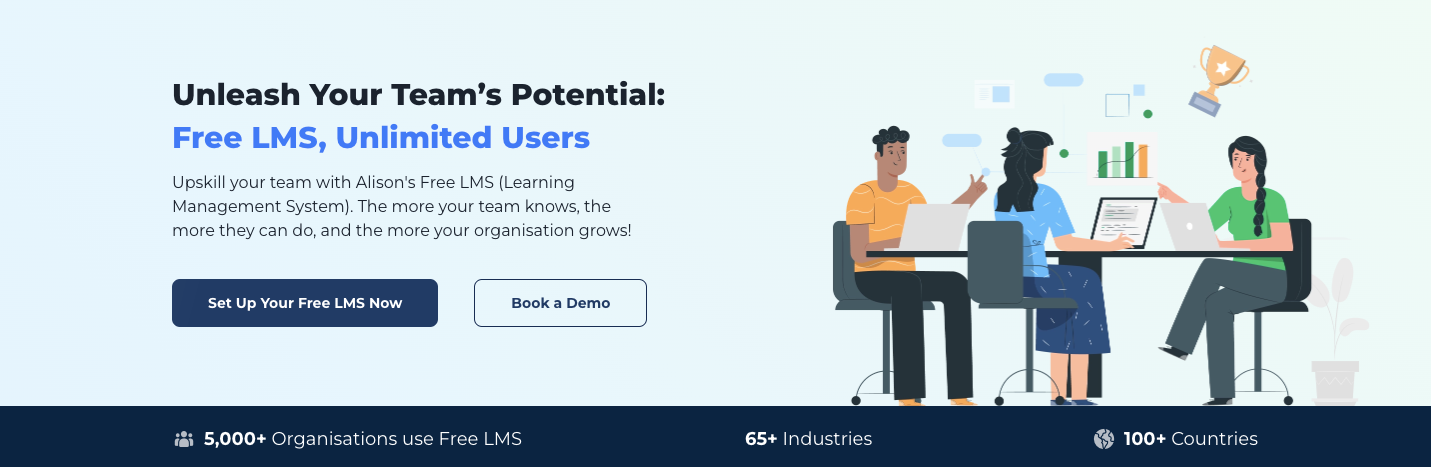
Alison is one of the best platforms for learners looking for free courses with certification options.
It covers various subjects, from business to healthcare. If you are a course creator, you can get started with Alison’s free LMS.
Pricing plans
This platform has a strict revenue model in which you get to keep 40% of your earnings, while it takes 60%.
Pros
Global reach with millions of users.
Strong focus on workforce skills and certifications.
Encourages social impact and accessibility to education.
Recognized by employers in multiple sectors.
Courses are often translated and localized for a broader reach.
Cons
Limited or no monetization options for individual creators.
Closed platform with mostly in-house or partner-created content.
No personal branding or email list access.
Best for: Reaching learners at scale with free courses.
6. DataCamp
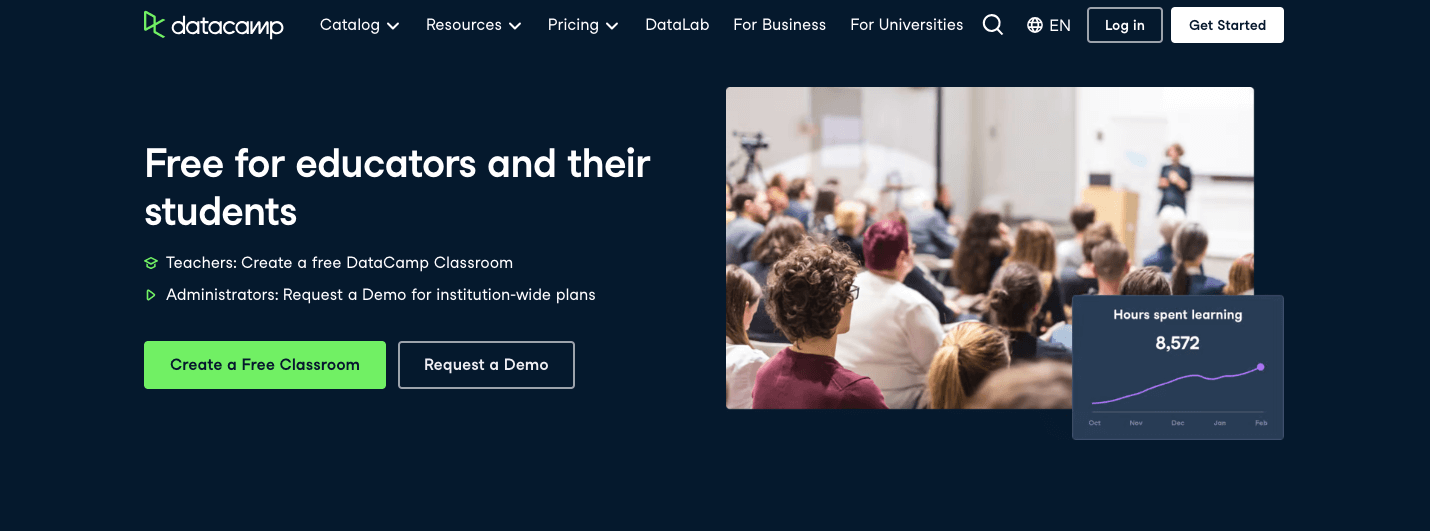
If you're interested in data science, programming, and analytics, DataCamp is a fantastic Coursera alternative. It provides an interactive learning experience with hands-on coding exercises.
Pricing plans

On the Learn plan
Teams: $14/month per user.
Small Business: Price depends on organization size.
Enterprise: Personalized pricing plan.
On the DataLab plan
Teams: $8/month per user.
Enterprise: Customized pricing plan.
Pros
Niche focuses on data science, coding, and analytics.
Royalty-based earnings model rewards engagement and quality.
Strong content support and editorial guidance.
Popular with both individuals and corporate learners.
Courses are featured in subscription-based learning paths.
Cons
Invite-only platform that is not open to public course creators.
Strict technical guidelines and content requirements.
Instructors don’t control pricing or direct sales.
Best for: Data and coding educators.

7. Khan Academy

Khan Academy is a nonprofit platform offering free, high-quality education for students, educators, and lifelong learners. It also covers subjects like math, science, economics, and history.
Pricing plans

This platform contains 2 plans, which are Enterprise Starter and Enterprise. In which the Enterprise Starter costs $10/year per student. Then again, you’ll need to contact the sales team to learn about the pricing of the Enterprise.
Pros
Globally recognized and highly trusted educational brand.
Content reaches millions of learners, especially in K-12.
Strong mission to provide free, quality education.
Used in schools, homeschooling, and by nonprofits.
Extensive content library with high engagement.
Cons
No way for individual creators to publish content.
No revenue or monetization model for contributors.
All content is owned and managed centrally by the organization.
Best for: Nonprofit educators focused on free and global impact.
Also Read It: 9 Must-have Online Course Ideas to Try in 2026.
Which platform should you choose?
The best Coursera alternative depends on what you need as a course creator:
Looking to launch your own branded academy with full control? Try EzyCourse. It is your all-in-one, white-label LMS with built-in website, courses, communities, memberships, and marketing tools.
Want to tap into a huge existing audience with minimal setup? Udemy offers massive reach, but at the cost of pricing control and revenue share.
Interested in academic collaboration and prestige? edX partners with institutions and is ideal for university-affiliated educators.
Building career-focused programs in tech and business? Great Learning is known for its professional, job-aligned courses. It’s ideal for subject-matter experts.
Looking to contribute to free education with global access? Alison and Khan Academy offer exposure, but not monetization or branding.
Specialized in data science and analytics? DataCamp offers paid instructor roles in a niche, high-demand space.
Conclusion
Your ideal Coursera alternatives depend on your goals. Udemy is probably the closest to Coursera, but it takes 3% to 85% of your income.
Then, edX, DataCamp, and Khan Academy offer options to teach your students, but lack in course features.
So, if you’re looking for an affordable and safe option to create and sell your own courses, build communities, and manage groups, EzyCourse will be a great option.
Again, it is a flexible platform where you can ensure a community-driven learning and teaching experience.
No matter your teaching style, there's an online platform tailored to your needs. Explore these options and find the best fit for your educational journey!
Hope it helps.