
Key Takeaways
You already have what you need to start. A smartphone, a clear idea, and consistency. Everything else you can build along the way.
Niche specificity beats broad appeal. The more clearly you define who you're making content for, the faster you attract the right audience.
Build multiple income streams from the beginning. Don't wait for ad revenue. Start with affiliate marketing or digital products.
AI tools are a legitimate competitive advantage. Use them to produce more, experiment faster, and spend more time on the creative work.
Consistency always beats talent. Creators who make it long-term are rarely the most naturally gifted.
Many can relate and still remember the moment of realization that internet wasn't just a place to scroll — it was a place to build something real.
Back then, "going viral" felt like winning the lottery. You needed a studio, a production crew, and probably a manager. Or at least that's what I thought.
Fast forward to today, over 200 million people worldwide earn money as digital creators. Some make simple tutorial videos. Some teach skills. Some just share their everyday lives. And brands spend more than $24 billion per year working with these creators.
Actually, you don't need fancy gear, a big following, or years of experience to start. A smartphone, one clear idea, and consistent effort are genuinely enough.
Quick Answer: What Is a Digital Creator?
A digital creator is someone who makes videos, blogs, podcasts, courses, or graphics content and shares it online to build an audience and earn income. Most creators use free or low-cost tools and start on platforms like YouTube, TikTok, or Instagram.
Who Is a Digital Creator? (And Could That Be You?)

A digital creator is anyone who makes content for the internet. Digital creators use phones, cameras, or computers to create things people watch, read, or share online.
You might make videos on YouTube. Write articles on a blog. Record a podcast on Spotify. Teach a skill through an online course. Design templates people buy on Etsy. All of that counts.
Most creators I've studied started with one platform, one topic, and a phone. That's it. The ones who made it weren't necessarily the most talented — they were the most consistent.
Here's a quick list of what a digital creator can look like:
TikTok video makers who entertain or educate with short videos.
YouTube vloggers who document their life, skills, or opinions
Bloggers and writers who rank on Google and build email lists
Online teachers who turn knowledge into paid courses
Podcasters who grow loyal audiences through conversation
Graphic designers who sell templates and visual assets
Photographers who monetize through presets and brand deals
Streamers who go live and earn from fans in real time
If you've ever thought 'I wish I could share what I know' — you already have the mindset of a creator. The rest is learnable.
Real Creators Who Started With Nothing
MrBeast (Jimmy Donaldson)

MrBeast now has over 370–390 million YouTube subscribers and earns around $85 million per year from ads, sponsorships, his snack brand Feastables, and MrBeast Burger.
His combined following across platforms is at roughly 634 million people. But here's what I find most interesting about his story: he posted hundreds of videos before anyone noticed. He experimented endlessly. He obsessed over what made people click and watch. The money came much later.
👉 That same formula applies to you. Early work builds skill. Skill builds audience. And audience builds income.
Stokes Twins (Alan & Alex Stokes)

The Stokes Twins make comedy and challenge videos. Their main channel crossed 133 million subscribers and 26 billion total views by late 2025. They earn roughly $20 million per year through YouTube ad revenue, their clothing brand Double Trouble, and TikTok brand deals that can pay $20,000+ per post.
Their formula? They blend short-form and long-form content, post consistently, and treat their audience like a real community. Nothing extraordinary but pure execution.
What Does a Digital Creator Do?
People assume creators just film a quick video and watch the money roll in. The reality is more interesting and manageable than that.
Let’s look at what a typical creator's week actually looks like:
Research and ideation: Find ideas people search for, spot trends early, and match the topics to their own voice and audience.
Scripting or outlining: Write a quick plan before recording even a few bullet points keeps content focused and saves editing time later.
Filming or recording: Capture the content with whatever gear they have. Many creators I admire started with a phone propped on a stack of books.
Editing: Cut the raw footage down, add captions, music, and effects to make it clean and easy to watch.
Publishing and optimising: Upload with strong titles, descriptions, and hashtags so the right people can actually find it.
Engaging with the audience: Reply to comments, answer DMs, ask questions. This is what separates creators with communities from creators with follower counts.
Checking analytics: Look at what worked, what didn't, and why. This is where growth actually comes from.
Monetizing: Run brand deals, sell digital products, manage memberships, or set up affiliate links.
Actually, the first few months feel like a lot of work for little reward. But those early weeks are when you're building the skill set that pays off for years.
Types of Digital Creators: Which Path Is Right for You?
There's no single way to be a creator. I've seen people build six-figure businesses through podcasting, blogging, short-form video, and digital products.
Here are the most common types, with the honest details on where they grow and how they earn:

👉 Not sure which path to take? I'd suggest picking the format you'd enjoy even if nobody watched. That's usually the one you'll stick with long enough to win.
How to Become a Digital Creator in 2026: Step-by-Step

According to my analysis, dozens of creator journeys follow a similar pattern. It's not complicated, but it does require doing things in the right order.
I’ve prepared the exact plan you can follow if you start from zero today.
Step 1: Understand Why 2026 Is a Smart Time to Start
The creator economy was valued at $212.3 billion in 2024, and analysts project it will reach $894.8 billion by 2032. That's a structural shift in how people learn, buy, and entertain themselves.
According to a TikTok report, there were 1.59 billion active users at the start of 2025. YouTube Shorts crossed 30 billion daily views. This reflects a huge audience hungry for content. Every niche from cooking to gaming to educational tutorials, has a space waiting for fresh creators.
Micro-influencers with just 1,000–10,000 followers can earn $100–$500 per sponsored post on Instagram. And AI tools have slashed the production cost and time to create professional content.
Step 2: Pick Your Niche (And Stick With It Long Enough to See Results)
I see so many new creators make this mistake: they try to cover everything and end up with nothing. Your niche is the foundation everything else rests on.
A specific niche helps the algorithm understand who to show your content to. It helps your audience know what to expect from you. And it makes brand partnerships far easier to land.
Choose something you know, enjoy, or are actively learning. Gaming, fitness, personal finance, cooking, parenting, travel, tech — anything you could talk about for a year without running out of ideas.
Get specific: "Fitness" is too broad. "Strength training for busy mums over 35" is a niche. The more specific you are, the faster you grow with the right people.
Search your topic on YouTube, TikTok, and Google. If people are searching for it and existing creators are getting views, there's a real audience waiting.
Study your competition (but don't copy them). “Binging with Babish” built millions of followers by recreating recipes from movies. Same niche, completely different angle. Find your own twist.
Test before you commit fully. Post 5–10 pieces of content in different styles. See what clicks. Then double down on what works.
Quick tip: Your niche can evolve as you grow. Starting specific doesn't mean staying small. It means building a real audience before expanding.
Step 3: Master the Creative Basics (Before You Buy Any Gear)
Skill matters more than tools. Always.
Short-form video dominates every major platform right now. I'd film everything on my phone if you asked my opinion. The key is understanding light, framing, and sound. Those three things make more difference than a $3,000 camera ever will.
Free tools like CapCut handle editing perfectly well for TikTok, Reels, and Shorts. If you want to go further, DaVinci Resolve is free and genuinely professional. Adding captions alone can boost engagement by up to 80%.
Writing matters just as much as video. Your titles, scripts, and captions are what hook people in the first place. Short sentences. Plain words. Direct ideas. Design tools like Canva let you create scroll-stopping thumbnails in minutes, even with zero design skill.
Strong basics in video, writing, and design will grow your channel faster than any expensive equipment purchase. Master the fundamentals first.
Step 4: Build a Simple, Smart Toolkit
You don't need 20 tools. You need maybe five — and you need them to work together without friction. Here's what I'd recommend you to use:
CapCut or DaVinci Resolve for video editing
Canva for thumbnails, graphics, and social posts
Copy.ai for drafting captions, scripts, and content ideas
Buffer or ContentStudio for scheduling posts across platforms
Notion or Google Drive for organising content, ideas, and assets
Real example: A travel creator I follow uses Buffer to schedule posts, Pictory to convert vlogs into 60-second Shorts, and Canva for thumbnails. This workflow frees hours every week for actual content creation and audience engagement.
Step 5: Learn How Platforms and Algorithms Actually Work
Learning how the algorithms work can change the whole game.
TikTok: The first 2–3 seconds of your video determine everything. Hook people instantly or the algorithm stops showing your content.
YouTube: Watch time and session duration are king. The longer people stay, the more YouTube promotes you. Thumbnails and titles drive the initial click.
Instagram: Reels consistently outperform static posts for reach. Consistent posting and engagement within the first hour of publishing matters a lot.
Track your watch time, retention rate, and click-through rate religiously. A creator I know had viewers dropping off his cooking videos at the 20-second mark. He sped up his intros and added captions — watch time doubled in a month.
The algorithm isn't your enemy. It's a tool. Learn it and it will work for you.
Step 6: Build More Than One Income Stream
The mistake I see most new creators make is they wait for ad revenue to kick in and treat it as their only goal. But ad revenue is the least stable, least controllable income stream available to creators.
Most combine several streams from early stage:
Sponsored content: Even micro-influencers with 10,000–50,000 followers earn $100–$500 per sponsored post. You don't need millions of followers to land brand deals.
Affiliate marketing: Recommend products you genuinely use and earn commission on each sale. It works particularly well in tech, beauty, finance, and software niches.
Digital products: Templates, guides, presets, or online courses. High margins, low overhead, and they sell while you sleep.
Memberships: Platforms like EzyCourse let your most loyal fans support you monthly in exchange for exclusive content or community access.
Real example: A cooking creator posts free recipes, sells a digital cookbook, and includes affiliate links to kitchen equipment in every post. Combining ad revenue, products, and sponsorships doubled monthly earnings in six months.
Step 7: Build a Community, Not Just Followers
I've seen creators with 50,000 followers outperform creators with 500,000 followers when it comes to brand deals, product launches, and actual income. The difference? Community.
Followers are passive. A community is active, loyal, and willing to buy. You build it the same way you build any real relationship, showing up, listening, and actually caring.
Reply to comments, especially in the early days. Every response tells the algorithm that your content sparks conversation.
Ask questions in your posts and videos. Curiosity invites engagement.
Host live sessions and Q&As. People connect with creators who show their real personality.
Share behind-the-scenes content. Because authenticity builds trust faster than polished production ever will.
10 engaged followers who comment, share, and buy are more valuable than 1,000 passive viewers who scroll past. MrBeast and Ali Abdaal both built enormous communities by consistent engagement.
Step 8: Keep Experimenting and Learning
Platforms, trends, and tools change constantly. Creators who adapt are the ones who succeed. Therefore, take courses, watch tutorials, and join creator communities.
You can experiment with content types, different posting times, and formats.
Analytics show what works and what doesn’t. Therefore, testing new ideas keeps your content fresh. A lifestyle creator added short “day-in-life” videos to tutorials, and engagement jumped 40%.
As a result, learning never stops. Adaptation keeps your audience interested and helps you find new growth opportunities.
Step 9: Stay Consistent — This Is the Part Most People Skip
Most creators who broke out big posted over 100 pieces of content before they saw real traction. Let that sink in. Not 10. Not 20. One hundred.
I've watched talented people quit after 15 posts because they 'weren't growing fast enough.' And I've watched average creators build six-figure businesses simply by showing up every single week for two years.
Consistency doesn't mean burning out. It means building a sustainable schedule you can actually keep. Two videos a week beat seven videos a week.
Patience + Consistency = Growth. That equation never fails. It just takes longer than most people want.
👉Start your creator journey today!
Why 2026 Is a Great Year to Start Creating Online

I want to give you the exact reasons for why right now — not six months from now, not 'when everything is ready' — is the right time to start.
Short-Form Video Is Still Growing (Fast)
A tech report on media.net says short-form video is one of the strongest drivers of online growth. People love quick, fun clips, so new creators can grow fast with simple videos. You don’t need a big setup to start.
Brands Now Trust Creators More Than Traditional Ads
The IAB reports that creator ad spending is growing faster than any other category in digital advertising. Brands now approach creators with 5,000 followers who are genuinely engaged. The era of needing a massive following to land brand deals is over.
AI Has Dropped Production Cost to Almost Zero
What used to need a production team can now be done by one person with a phone and a few apps. AI handles captions, scriptwriting, thumbnail creation, video repurposing, and scheduling. I've watched solo creators produce content at the quality level of teams.
You Can Reach a Global Audience From Anywhere
I find this one genuinely remarkable. A creator in a small town in Bangladesh can build an audience in the US, UK, and Australia — and earn in dollars, euros, or pounds. Geography no longer limits creative potential.
More Ways to Earn Than Ever Before
Creators now earn from multiple income streams, not just ads. Brand deals, digital products, memberships, affiliate links, live gifts, and courses are now the hotcake methods for creators in 2026.
The Market Is Large But Not Saturated in Most Niches
The creator economy is projected to grow from $212.3 billion to $894.8 billion by 2032 (Datam Intelligence). Growth zones — where the market is expanding faster than the number of creators — still exist in multiple niches. The question isn't 'is there room?' It's 'Do you have something real to offer?'
Skills Every Digital Creator Needs in 2026

You need to be aware of all the related skills, build them progressively, and prioritise the ones that drive the most growth in your specific niche.
1. Core Creative Skills
Storytelling and content writing: A great piece of content tells a story. Learning to hook people in the first sentence, keep them engaged, and end with something memorable is the most transferable skill you can build.
Visual composition and photography basics: Good framing, clean backgrounds, and natural lighting make your content look professional without expensive equipment. This is important for thumbnails, social posts, and course materials.
Audio quality: Bad audio kills engagement faster than anything else. A beginner-friendly lapel mic changes everything. Learn basic noise reduction and microphone placement early.
Trend awareness: Spend 15 minutes every morning scrolling TikTok, YouTube trending, and Google Trends. Spotting a trend 48 hours early can double the reach of a single piece of content.
2. Technical and Marketing Skills
Basic graphic design: Canva and Figma make design accessible to non-designers. Even basic thumbnail and template skills directly improve click-through rates.
SEO and platform optimisation: Understanding keywords, hooks, and how each platform ranks content is the difference between content that sits unseen and content that gets discovered for years.
Analytics literacy: Watch time, retention, click-through rate, follower growth. These numbers tell you the truth about what's working. Check them weekly, not just when things go well.
Video and photo editing: Even basic editing — clean cuts, good pacing, captions — lifts the perceived quality of your content significantly. Tools like CapCut and DaVinci Resolve are free and learnable in a weekend.
AI tool use: In 2026, knowing how to use AI for drafting, editing, captioning, and idea generation isn't optional. It's the difference between a creator who produces two pieces of content per week and one who produces ten.
3. Business and Soft Skills
Audience research: Understand what your audience actually needs. Don’t assume what they want. This way you can create content fast that gets shared.
Basic negotiation and contracts: When brand deals come (and they will), know how to price yourself, and review a contract to protect your income. I'd recommend learning this before you need it.
Content planning and time management: A content calendar prevents the 'what do I post today?' panic. Plan a month ahead, batch-create, and schedule in advance.
Emotional resilience: Criticism, algorithm drops, burnout, and slow months are part of every creator's journey. The ability to keep going through the hard stretches is what separates long-term creators from short-term ones.
The Best Tools for Digital Creators in 2026
I've tested a lot of tools and the ones I'd actually recommend are;
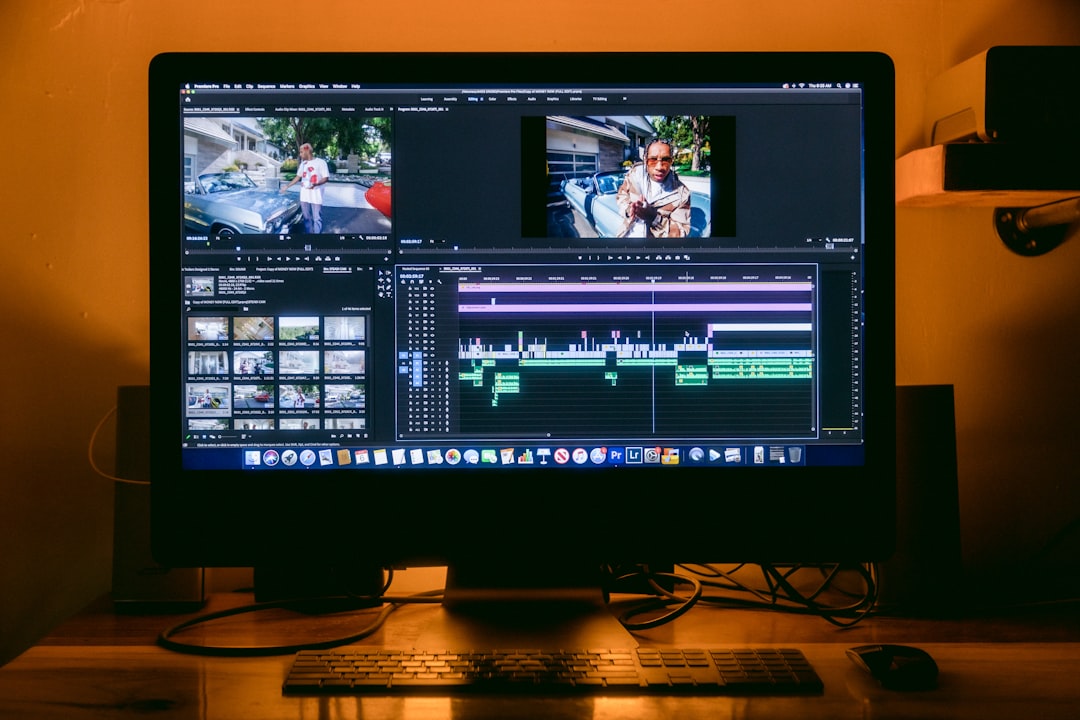
Video, Photo, and Writing Tools
Scheduling and Organisation

ContentStudio
Buffer
Later
Learning Platforms
Grow with Google
Google Applied Digital Skills
👉 Pick one from each category above and master it before adding more.
Your Simple 30-Day Creator Starter Plan

Print this plan. Put it somewhere you'll see it every day. Then execute one week at a time.
Which Platform Should Digital Creators Trust?
Choosing the right platform is one of the highest-leverage decisions you'll make as a creator.
EzyCourse — Best All-in-One Platform for Creator Businesses

If you want to sell courses, run coaching, build a community, and manage memberships — EzyCourse does it all in one place.
I've looked at a lot of course and membership platforms. EzyCourse stands out because it doesn't force you to outgrow it. You can start with basic course hosting and scale all the way up to a full B2B creator business with white-label apps on the same platform.
What Features Does EzyCourse Offer for Creators
AI course builder: You can create an entire course outline and generate interactive lessons with slides or quizzes. Built-in lessons with over 13+ types along with drip lessons (released on a schedule).
Coaching and live sessions: Schedule one-on-one or group coaching with session controls.
Community and membership spaces: Build private communities with discussion boards, group chats, and tiered membership access.
Built-in email automation: Create email campaigns and automated sequences based on user behaviour — no external email tool needed.
Digital product sales: Sell ebooks, templates, or presets with secure cart checkout, upsells, and multi-currency pricing.
AI Website and landing page builder: Drag-and-drop AI builder for sales pages and course sites. No coding required.
AI subtitle generator: Auto-generate subtitles for all your video content to improve accessibility and reach international audiences.
Analytics dashboard: Track revenue, course engagement, student progress, and email performance in one place.
White Label Mobile App: Your own branded mobile app published on Android and iOS stores to deliver content to your students on the go.
EzyCourse Pricing (2026)

What I love about it: It replaces 4–5 separate tools. Email, community, courses, payments, and landing pages — all in one subscription.
Cons: There's no free plan. If you're just starting out and not yet ready to invest, test with a trial.
Ready to Start? Here's What to Do Next
I've shared everything I know about building a creator career in 2026. The skills, the tools, the income streams, the platforms, and the step-by-step plan.
But none of it matters until you start. The first video will be imperfect. The first ten posts will underperform. The first month will feel like shouting into a void.
Every creator you admire went through that same phase. The difference is they kept going.
The best time to start was a year ago. The second best time is right now.


